

Opportunities to benefit from the advantages of ultra-fast connectivity are increasing in the country’s rural areas

Almost 2,000 businesses promoting social and economic progress, communities, schools, libraries, medical and social institutions, and public order agencies have been given the opportunity to connect to gigabit-speed broadband infrastructure.
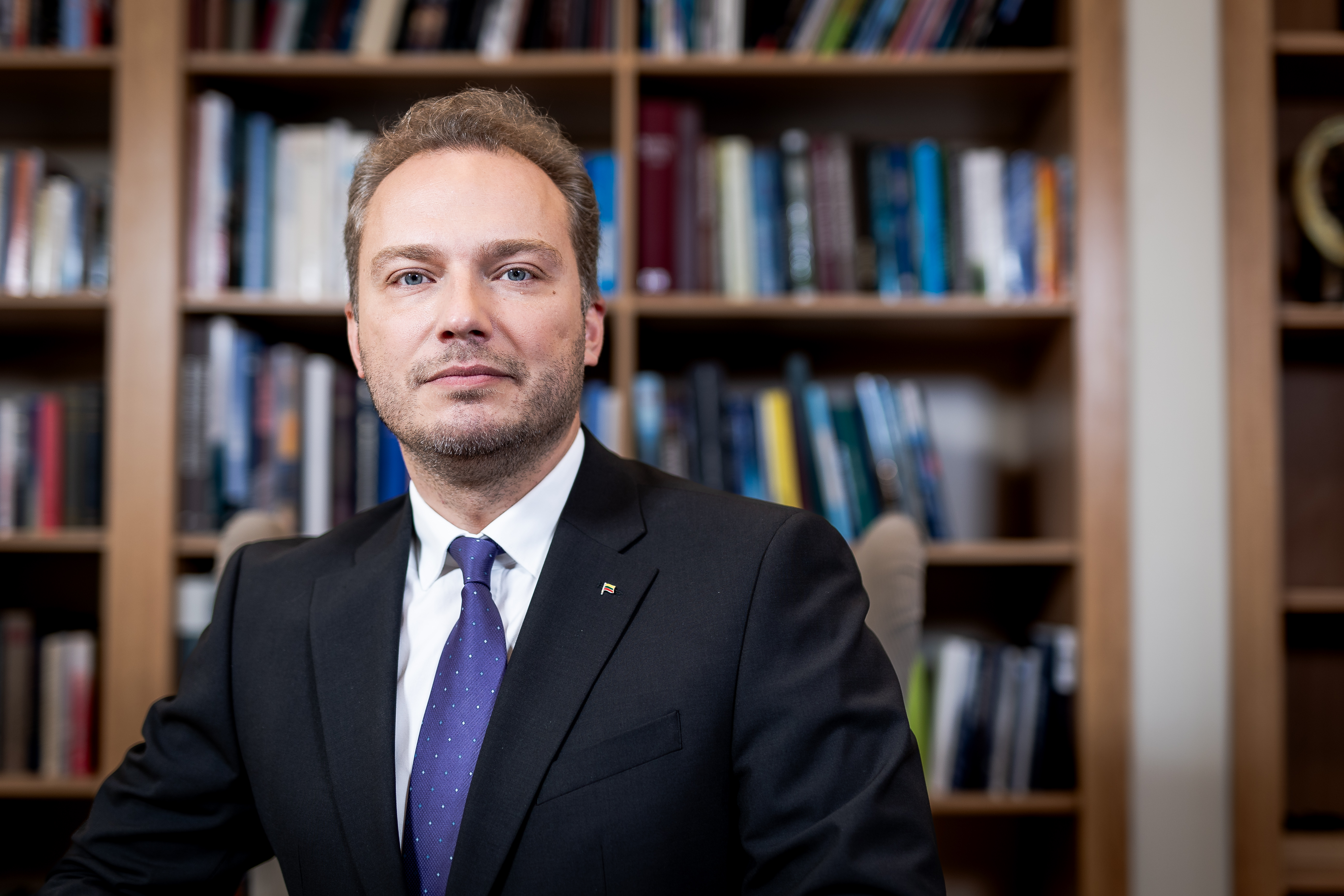
“By laying fiber-optic cables in places where they have not existed before, we are paving a digital path to new opportunities in the regions. High-speed connectivity even in the most remote parts of Lithuania means not only growing businesses and better conditions for healthcare facilities, schools, or libraries. It is a connection for people — for seniors who want to communicate smoothly with their loved ones, or for young people building their future right here, at home,” says Minister of Transport Juras Taminskas.
At present, 1,991 entities in 10 counties of the country can already connect to the infrastructure. In Alytus County – 147 entities, Kaunas – 390, Klaipėda – 208, Marijampolė – 224, Panevėžys – 178, Šiauliai – 123, Tauragė – 232, Telšiai – 46, Utena – 334, Vilnius – 109. These numbers include communities, medical and social institutions, public order agencies, libraries, schools, agricultural, business and tourism companies, as well as communications infrastructure facilities. Such diversity shows that the project encompasses not only economic or public-sector activity, but also the community, social, and cultural life of the country, thereby strengthening regional development.
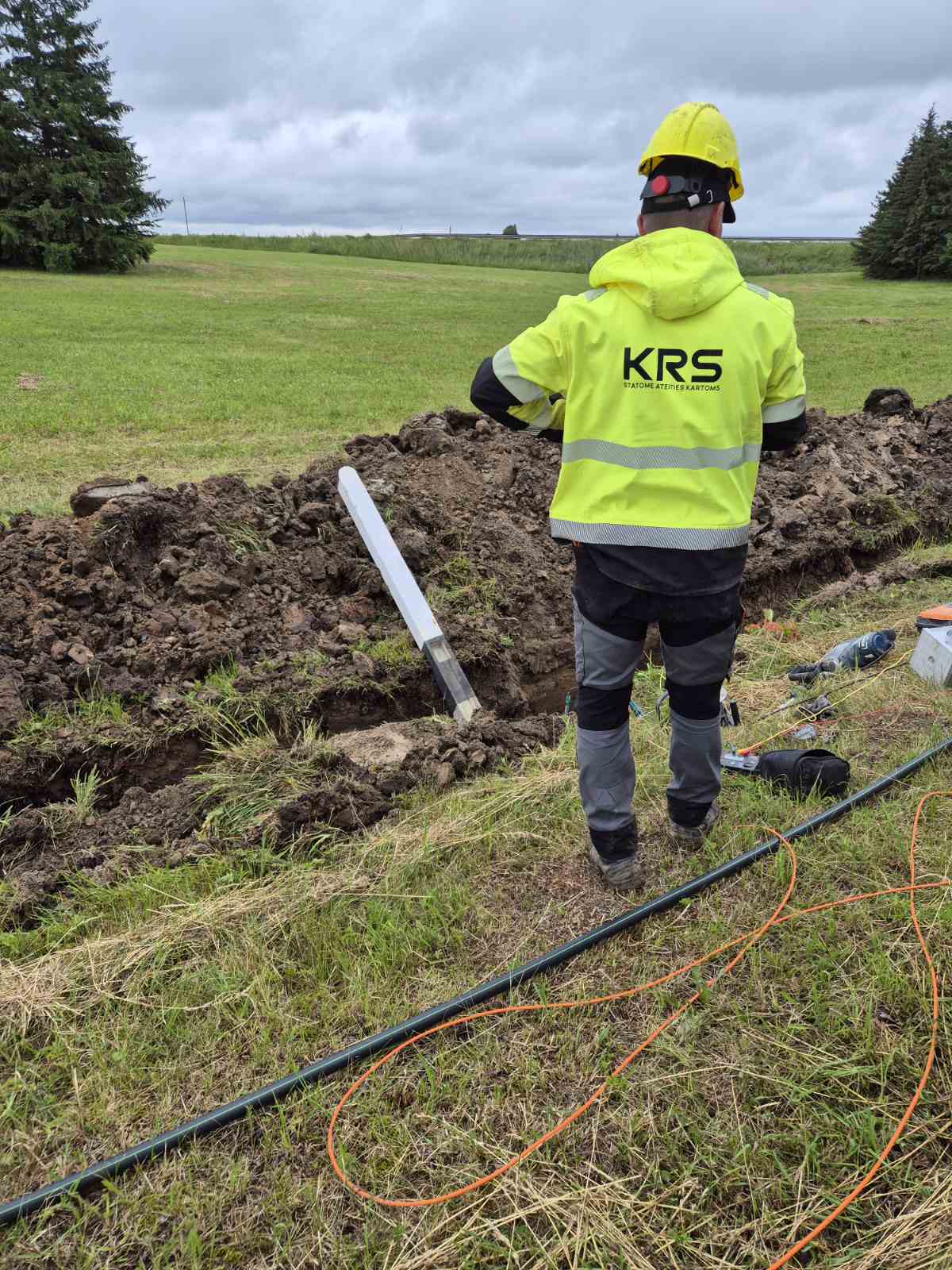
The pace of the “Ultra-Fast Connectivity Infrastructure” project is ambitious: by the end of 2025, it is planned to reach 2,500 entities, and 5,000 entities by the end of the project’s implementation period in less-digitized areas of the country. During implementation, electronic communications infrastructure is being developed in areas where it does not currently exist and is not planned to be created by private operators within the next three years. This aims to increase the digital connectivity and investment attractiveness of these locations.
The created infrastructure is open to all service providers in the country, so connected entities will be able to freely choose the operator active in the area and receive services that meet their needs. The development of gigabit-speed broadband infrastructure is intended to meet the growing expectations of telecommunications service users in Lithuania’s regions, enabling consumers to use very high-capacity electronic communications networks and receive high-quality digital services. Gigabit connectivity is also highlighted as one of the European Union’s strategic objectives for 2030.
The “Ultra-Fast Connectivity Infrastructure” project is financed by the Recovery and Resilience Facility plan “New Generation Lithuania.”
More information about the project can be found here.