Ultra-Fast Internet to reach nearly 15,000 households in Lithuania
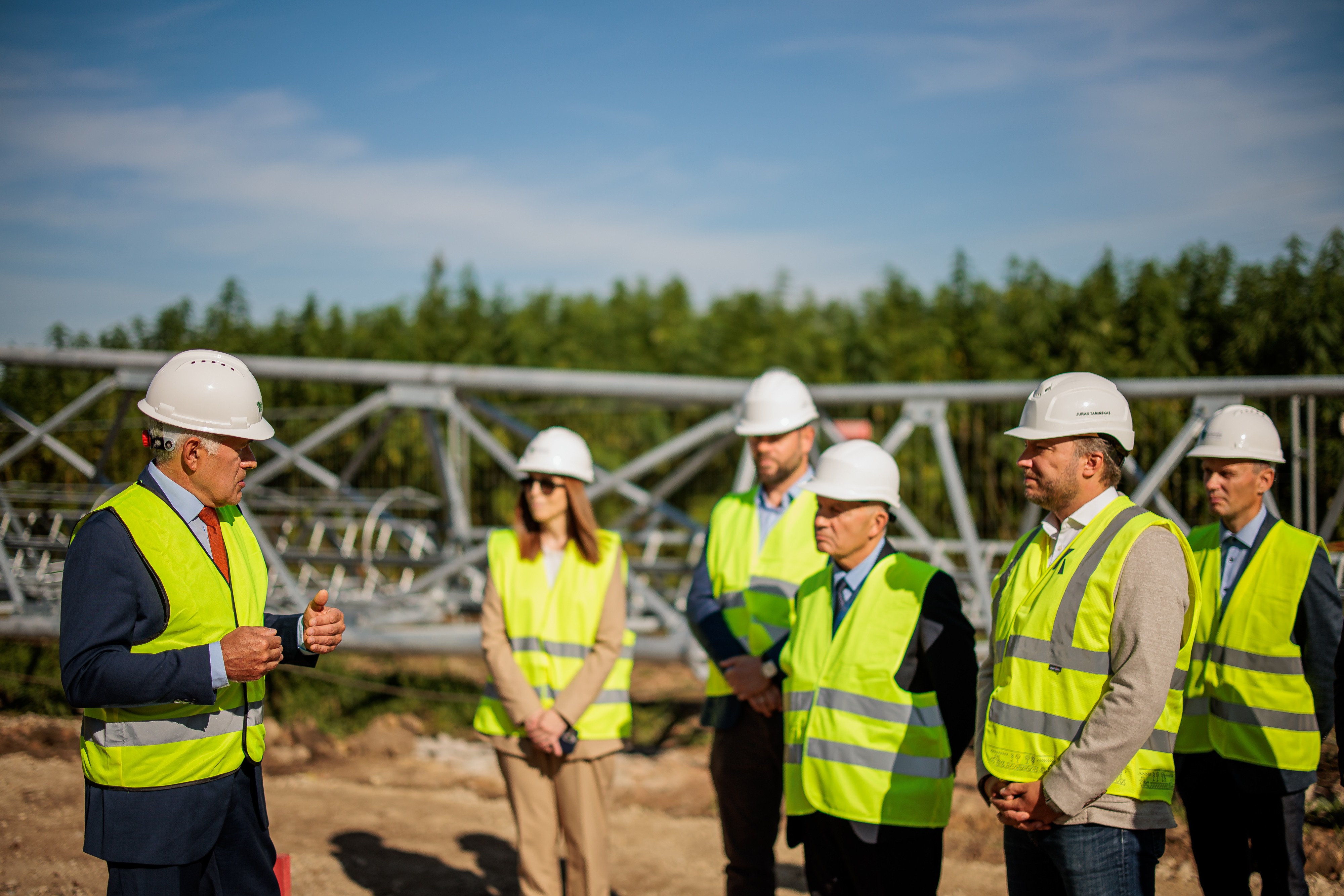
As part of the “Development of ultra-fast communication infrastructure” project, new telecommunications towers are being built across Lithuania’s regions, enabling residents and businesses to access ultra-fast connectivity in areas where the development of such infrastructure is not commercially viable. Once the project is completed, ultra-fast connectivity will be made available to 14,909 households and 1,348 businesses.
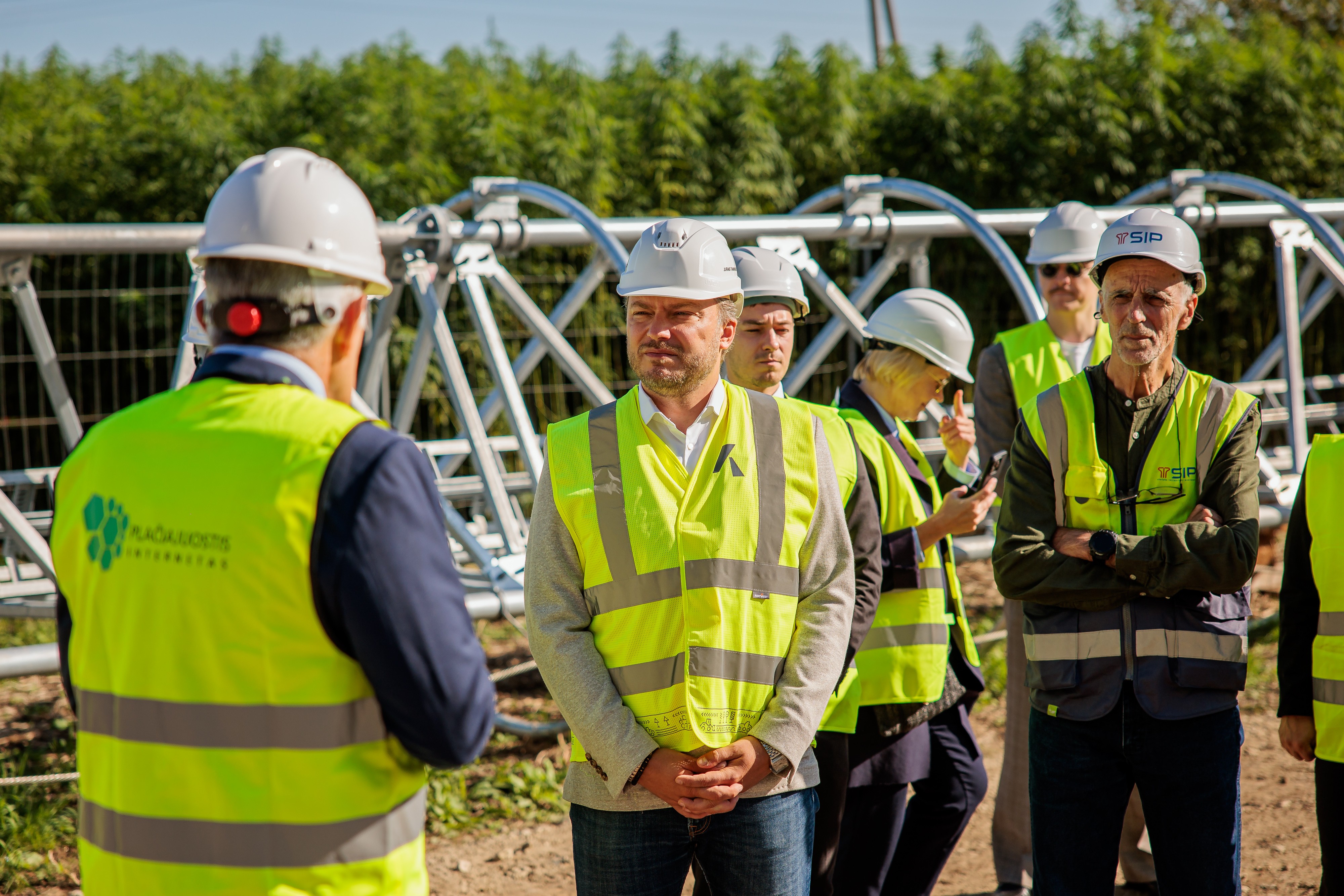
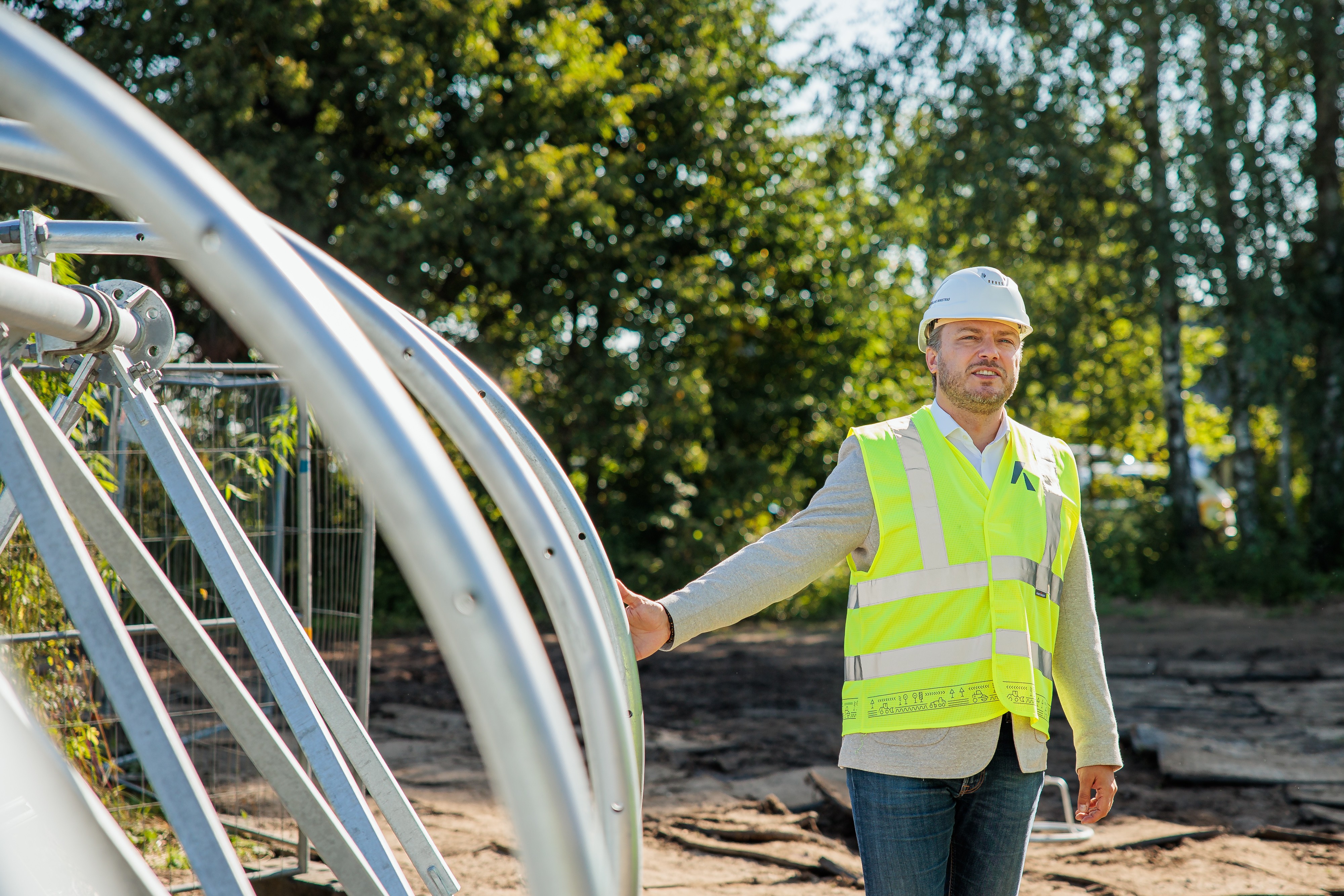
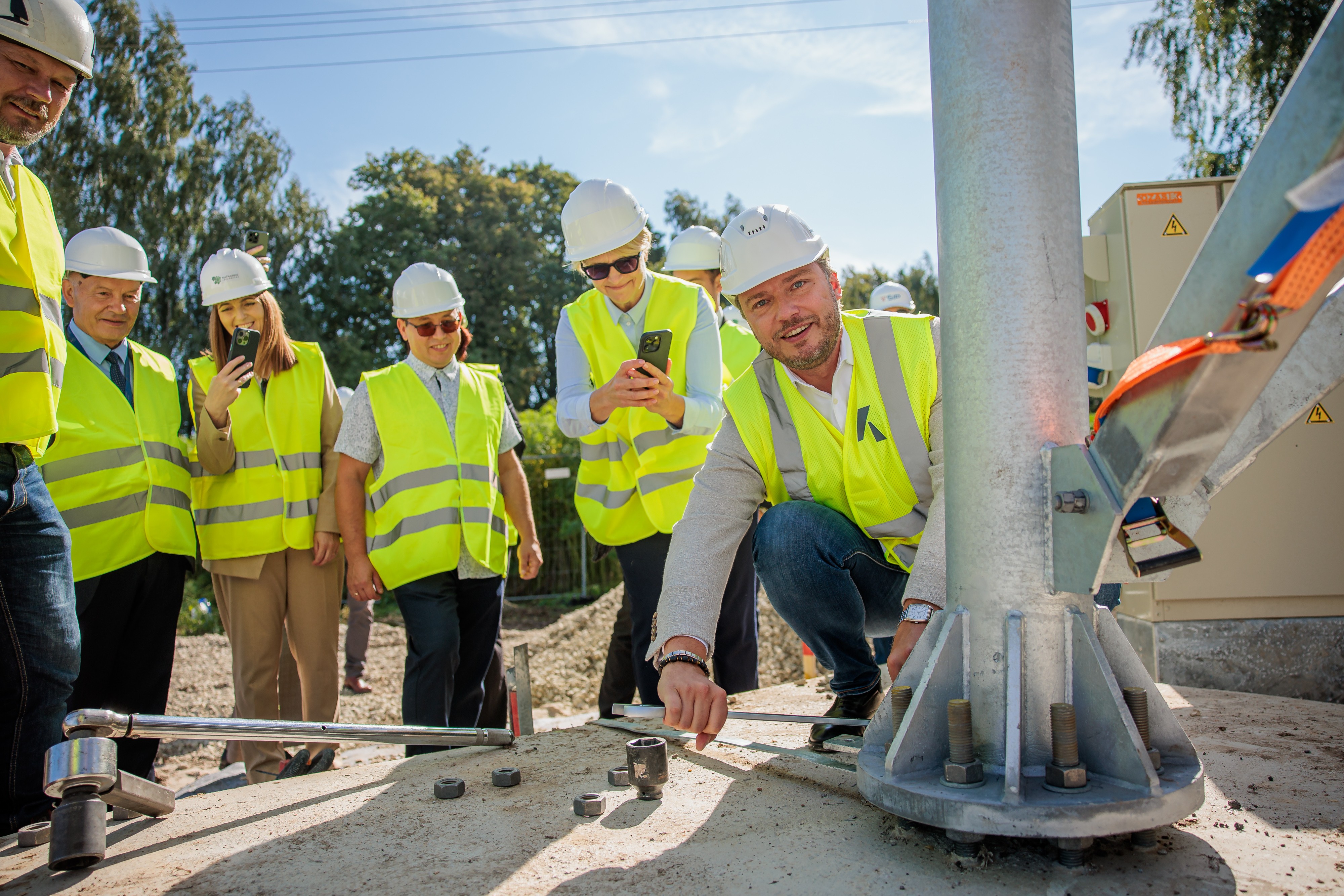
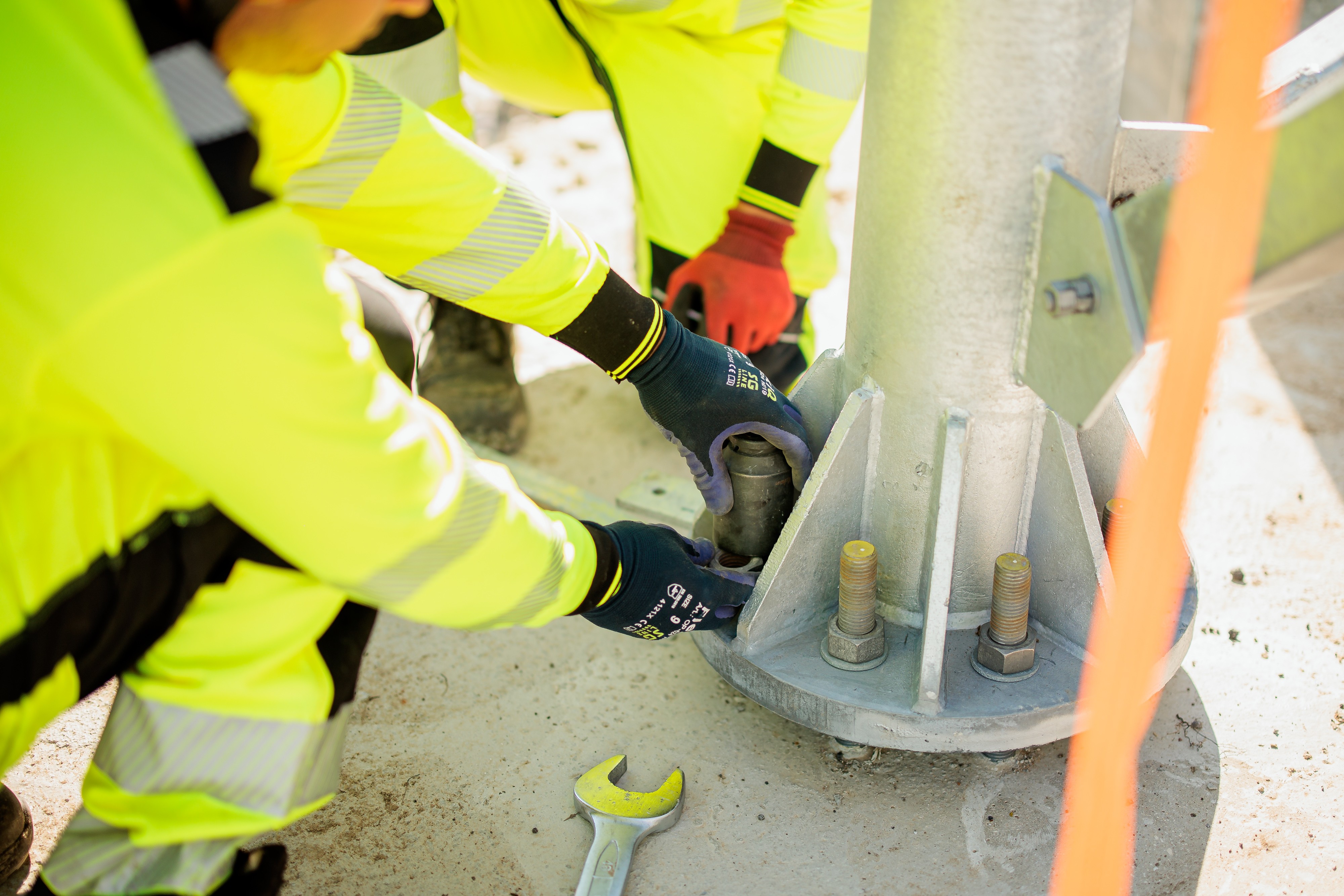
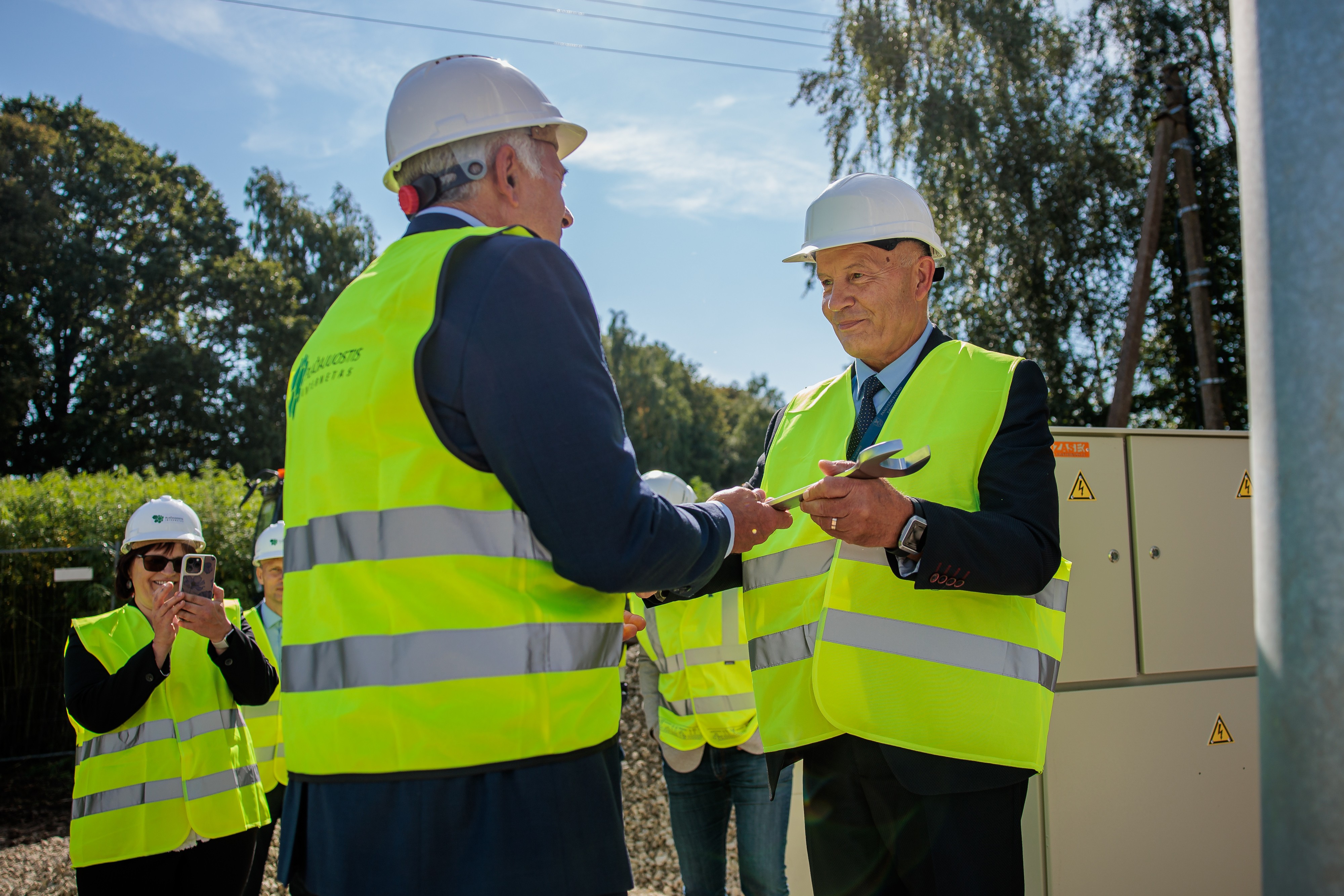
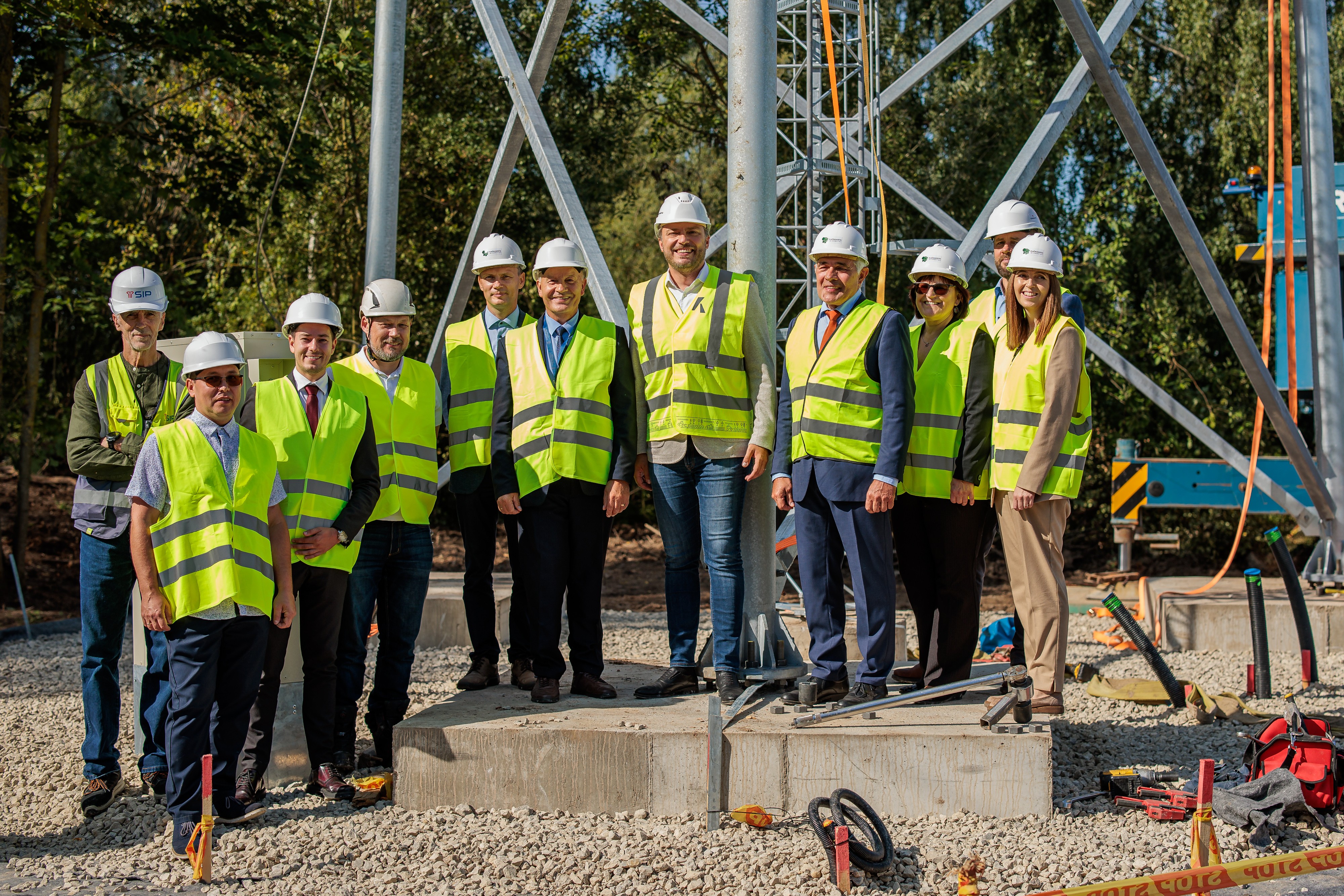
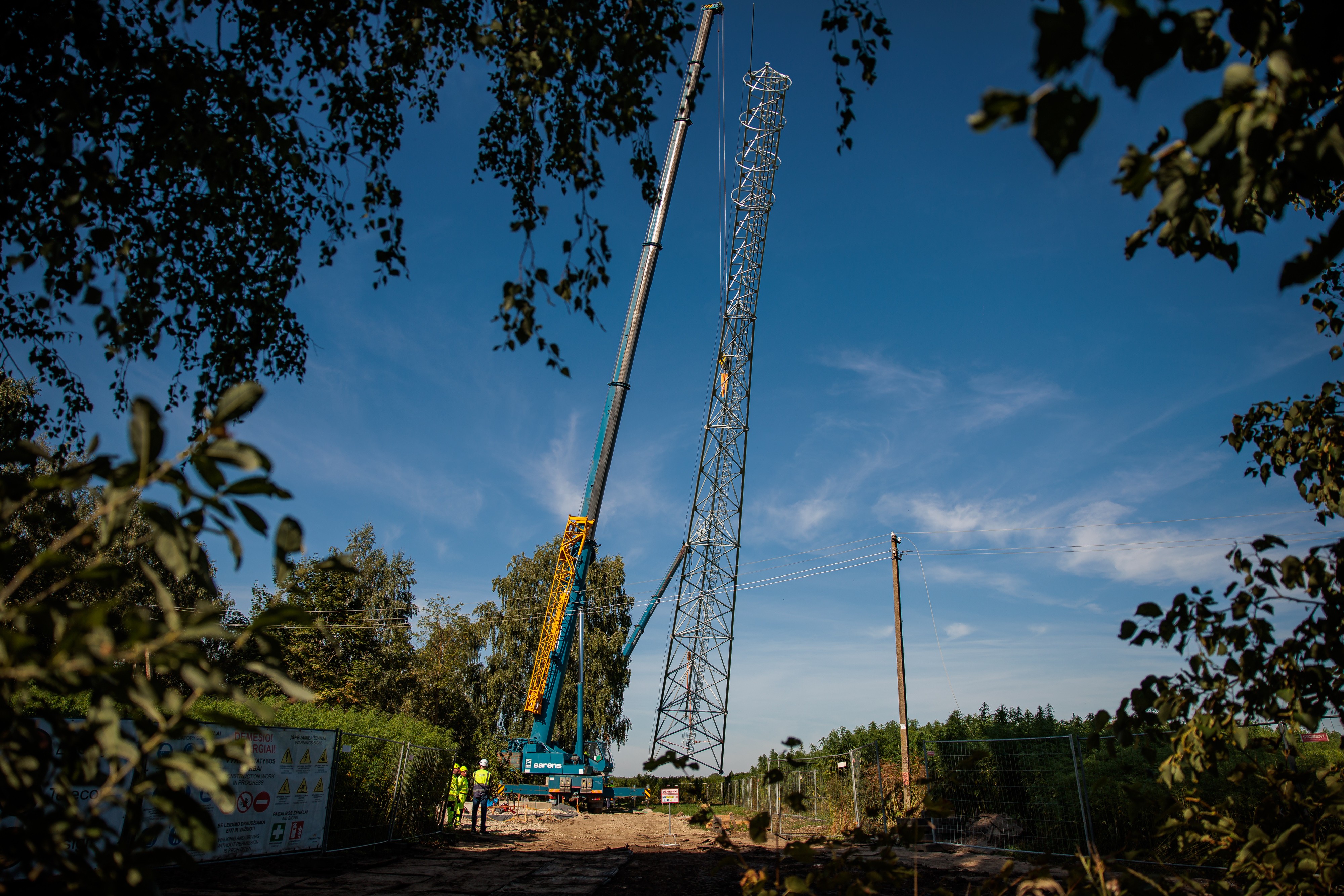
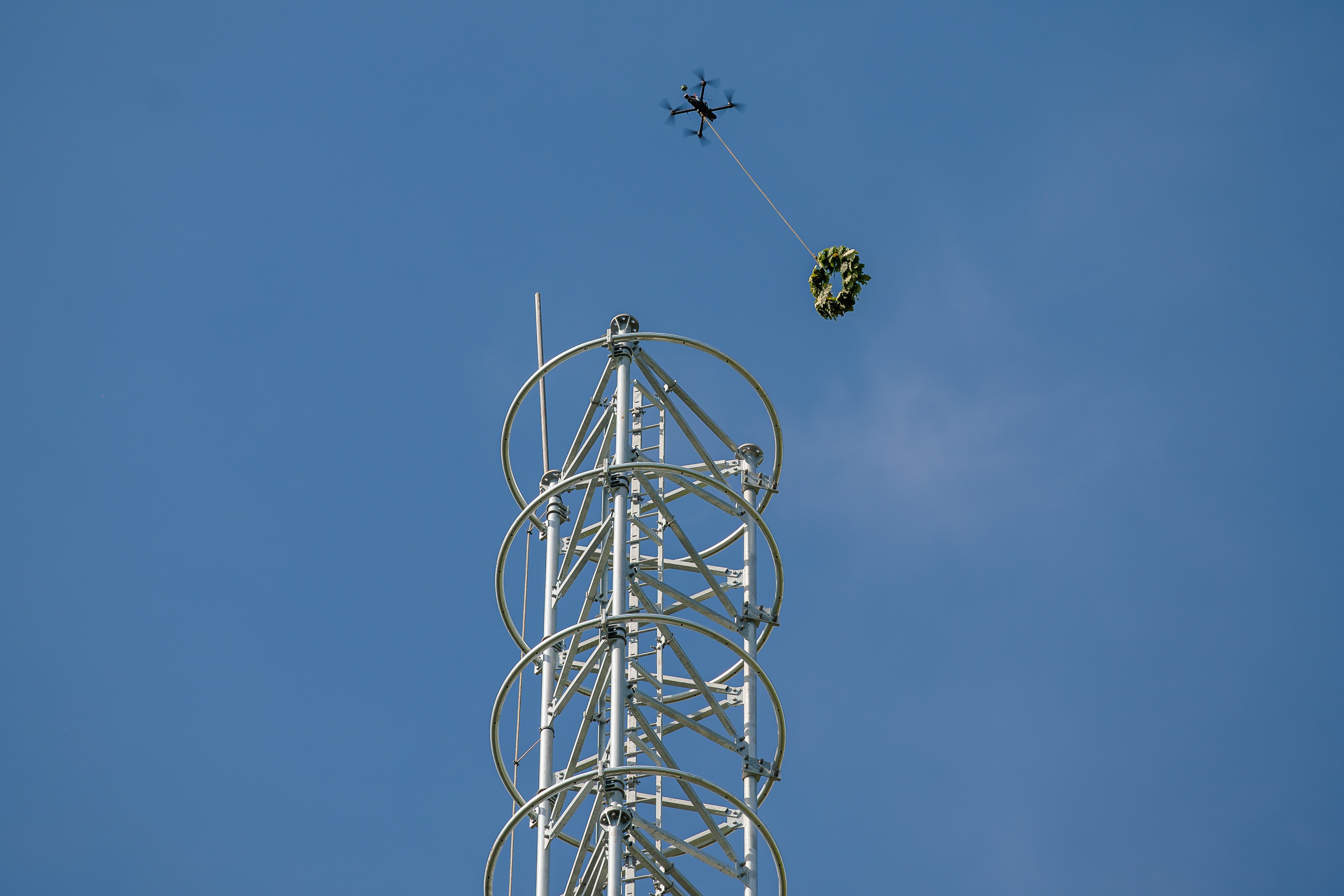
Minister of Transport and Communications Juras Taminskas visited one of the telecommunications tower construction sites of the Public Institution “Plačiajuostis internetas”, which operates under the Ministry. The 60-metre-high tower being constructed in Bučiai, Panevėžys district, will enable telecommunications operators to install their antennas and provide mobile communications and internet services. It is expected that the tower’s coverage area will provide access to ultra-fast connectivity for more than 380 households and approximately 30 businesses.
“The storm that has just swept through the country exposed our vulnerabilities and demonstrated how important it is to have resilient and reliable communications. Although the telecommunications towers and networks managed by companies under the Ministry of Transport and Communications experienced minimal disruption from the storm thanks to proper preparedness, the state is consistently investing not only in strengthening the resilience of the existing network but also in new telecommunications towers that connect the whole of Lithuania like a honeycomb. New telecommunications towers in the regions are about more than just faster connectivity. They enable people to communicate without disruption with loved ones living far away, pursue the work they enjoy, and establish and grow businesses,” says Minister of Transport and Communications Juras Taminskas.
Minister Taminskas emphasises that all telecommunications towers must be equipped with backup power sources to ensure uninterrupted communications even in the most extreme situations.
Panevėžys District Mayor Antanas Pocius, who observed the tower installation works, highlighted the direct importance of such investments for local residents and businesses.
“Every investment that improves connectivity and links to the wider world is an investment in the people of our district. This telecommunications tower will create more opportunities for residents, farmers and businesses. We want to ensure that living in a rural area does not mean having fewer opportunities to benefit from modern technologies and services,” says the Mayor.
63 New Telecommunications Towers in Lithuania’s Regions
As part of the “Development of Ultra-Fast Broadband Infrastructure” project, 63 new telecommunications towers will be built in rural and remote areas of Lithuania, enabling residents and businesses to access ultra-fast connectivity in locations where the development of such infrastructure is not commercially viable. Once the project is completed, ultra-fast connectivity will be made available to 14,909 households and 1,348 businesses.
The tower sites will be equipped with modern security measures, including perimeter protection, access control and video surveillance systems. The telecommunications towers will be 60 metres high and designed to accommodate equipment from up to four telecommunications operators simultaneously in their upper sections. Each tower will be connected to the fibre-optic network operated by the Public Institution “Plačiajuostis internetas”, enabling operators to use the newly developed infrastructure to provide ultra-fast connectivity services to households and businesses.
“When constructing telecommunications towers, our aim is not only to ensure high-quality work but also to create durable and reliable infrastructure that meets the needs of all telecommunications operators. Each tower is designed with future development in mind, so that it can contribute to the further expansion of electronic communications and enable residents and businesses to benefit from modern connectivity services,” says Tomas Kulbis, Director of UAB “Connecto”, the company constructing the towers.
Communications infrastructure development goes hand in hand with public health protection
The expansion of communications infrastructure in the regions also raises questions among residents about new telecommunications towers and their potential impact on health. Experts emphasise that the tower itself does not emit electromagnetic radiation; it is a structure designed to support telecommunications antennas. The development of telecommunications tower infrastructure is carried out in compliance with established safety and public health requirements, while electromagnetic radiation emitted by installed antennas is regularly monitored.
“A telecommunications tower itself is not a source of electromagnetic radiation. It is a metal structure designed to accommodate telecommunications antennas. Electromagnetic radiation is emitted by the antennas installed on the tower. Before installing antennas, operators prepare technical plans and assess the potential impact of electromagnetic radiation. The proposed solutions are coordinated with the National Public Health Centre (NVSC), which assesses whether electromagnetic radiation levels comply with the established hygiene standards. Operators are only permitted to install telecommunications antennas if these standards are met. The supervision of radiotechnical facilities in Lithuania is regulated, and operators are required to carry out periodic measurements of electromagnetic radiation. The results of these measurements are made publicly available on the NVSC website,” says Irena Taraškevičienė, Head of the Public Health Safety Division at the National Public Health Centre.
Investment in infrastructure that reduces the digital divide
The project focuses on areas where residents and businesses have so far been unable to access high-quality ultra-fast connectivity services due to insufficiently developed infrastructure. By creating open wholesale infrastructure, all communications service providers operating in Lithuania will be able to use it to provide their services, giving end users a wider choice of services that best meet their needs.
Gytis Liaugminas, Director of the Public Institution “Plačiajuostis internetas”, which is implementing the project, emphasises that this is an investment both in communications infrastructure and in the future of Lithuania’s regions.
“High-speed internet is now essential for remote work, digital public services, education, healthcare and business development. The benefits of the project will therefore extend far beyond faster internet speeds. It will give people and businesses the opportunity to participate fully in the digital economy, regardless of where they live,” he says.
The project, worth more than EUR 30 million, is financed by the European Union Funds for 2021–2027 and national co-financing. The works are scheduled for completion by 30 April 2027; however, the deadline may be extended if necessary.